
World Famous Studios · Denver, Colorado
The Biggest Neve
in the Rockies
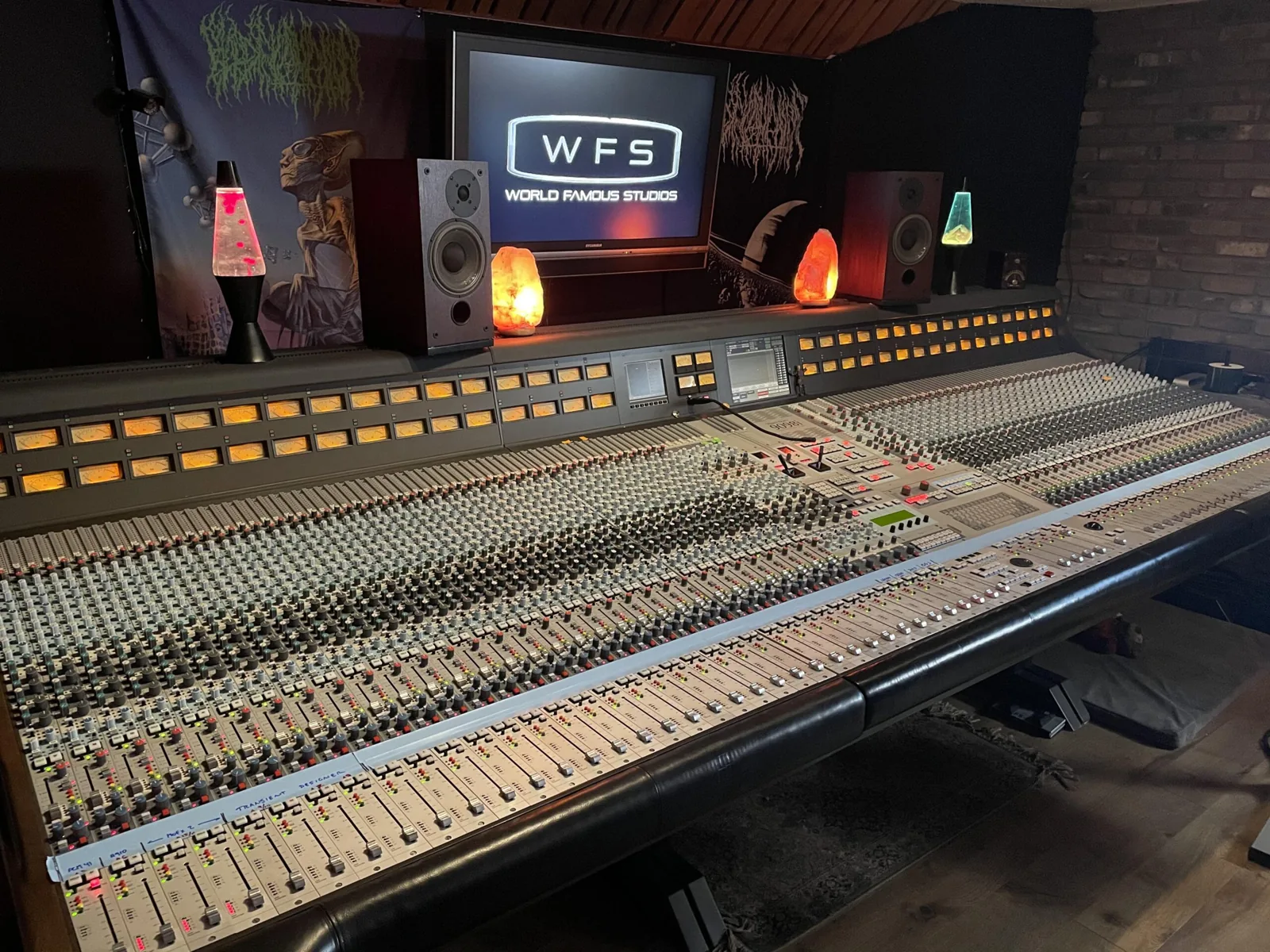
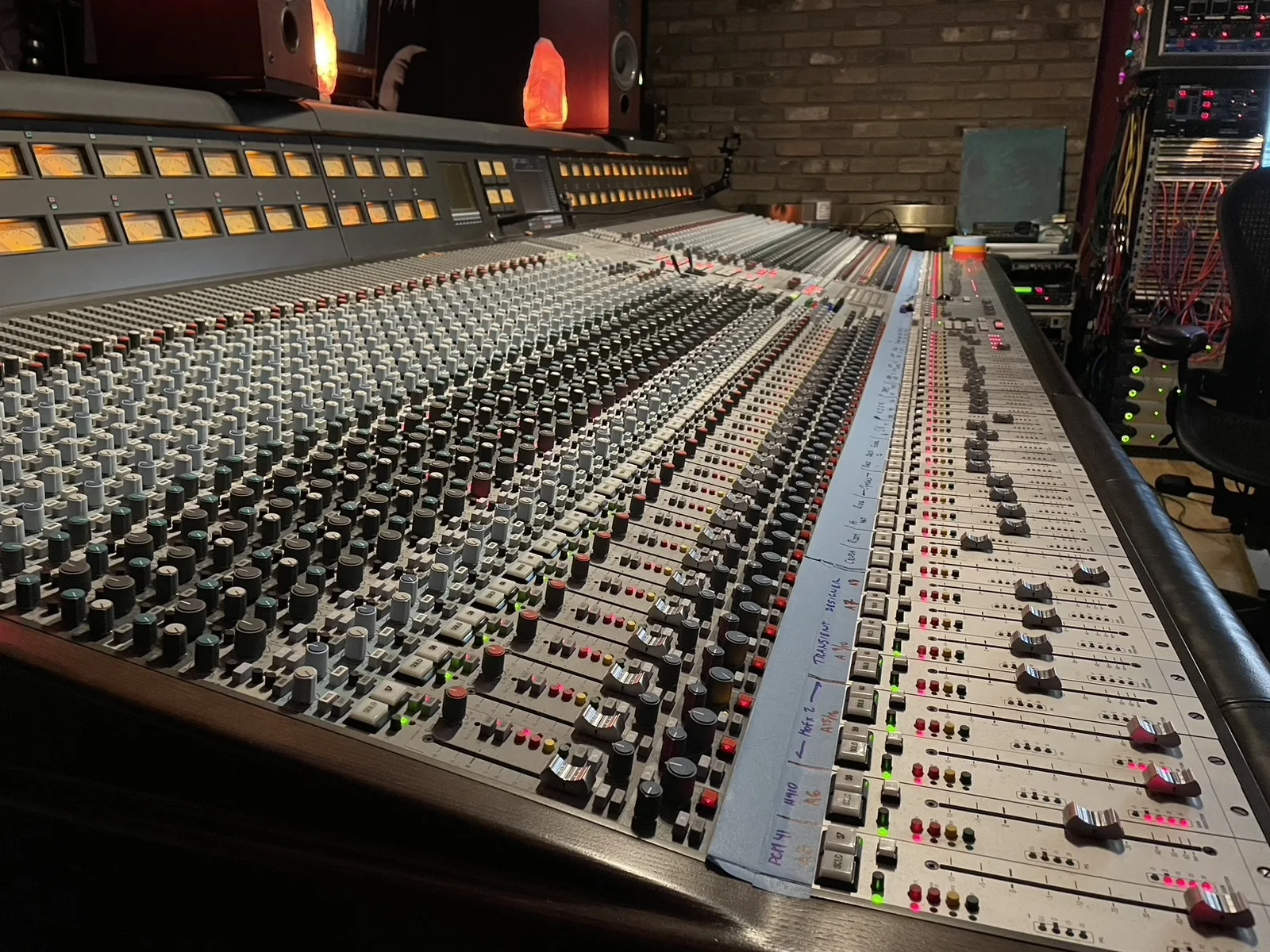
The AMEK 9098i, designed in conjunction with Rupert Neve.
Analog tape. Pro Tools HD. A room built for making records.
Why this console matters
Decades of Rupert Neve’s experience,
behind every fader.
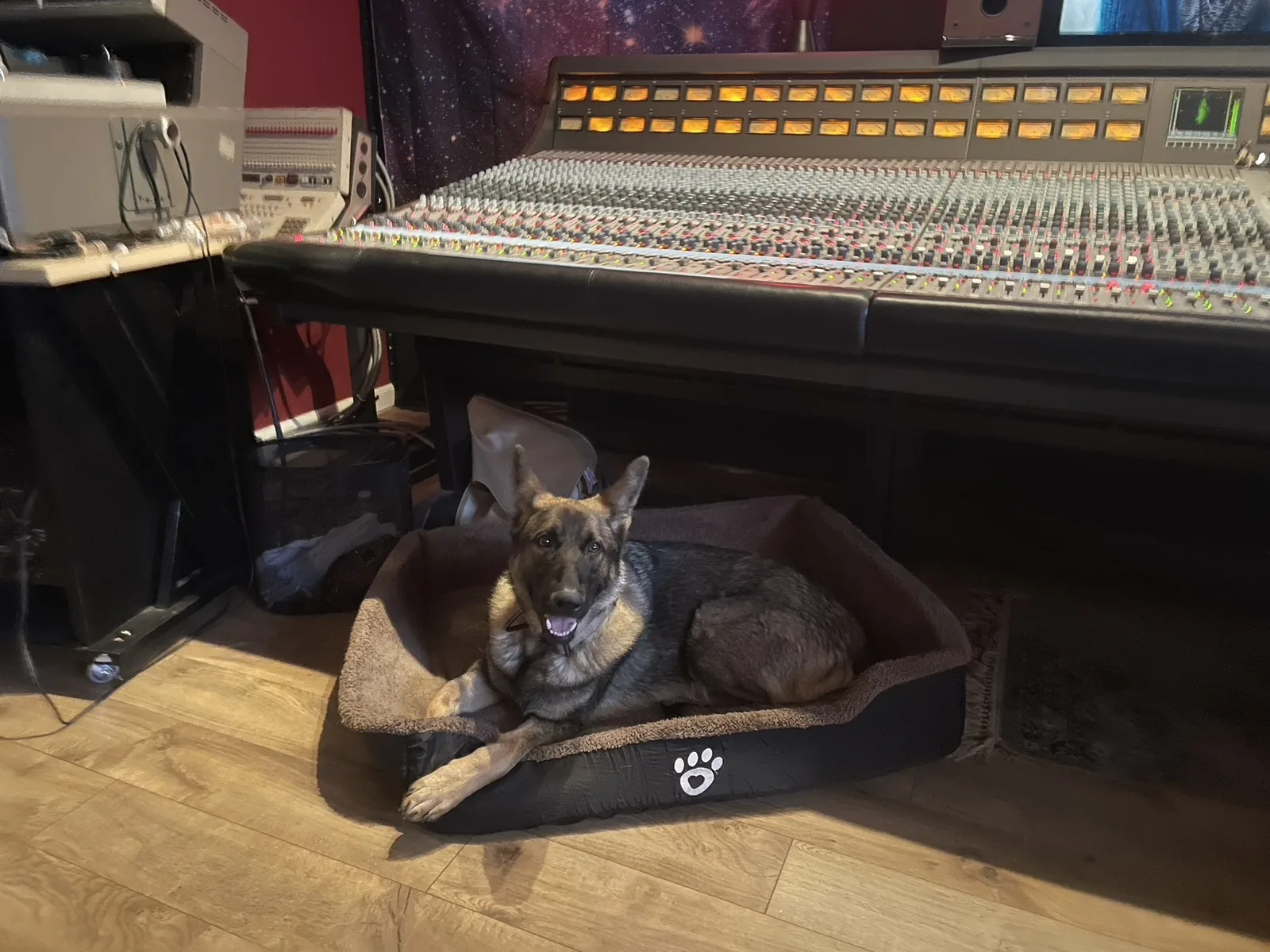
The AMEK 9098i grew out of a decade-long collaboration between AMEK and Rupert Neve. Its ambition was to carry the musical character of classic analog consoles into a more flexible recording and mixing desk. At World Famous Studios, it’s the instrument Pete works through every day—from shaping the first microphone signal to bringing the whole record together.
72 channels · 144 inputs
64 mic preamps · 138 moving faders
Start with the console
The AMEK 9098i’s microphone preamps are central to Pete’s recording approach. He uses the console’s input stages and EQ to shape the sound as it is recorded.
Its four-band EQ combines sweepable mid bands with switchable shelving and bell responses. Glow and Sheen contours offer broad shaping at the low and high end, alongside more precise adjustments. It gives Pete room to shape a sound at the source and carry that approach through the mix.
Rupert Neve’s 9098i design
Developed by AMEK in conjunction with Rupert Neve, the 9098i uses his Transformer-Like Amplifier input design. Its microphone inputs were designed for low noise, strong rejection of interference and room for large signals. Custom transformers are used in the console’s main outputs.
The inline channel layout provides separate channel and monitor paths, with flexible EQ assignment between them. That routing lets the desk handle recording and playback together, then become the center of an analog mix.
Build a mix you can return to
Supertrue V4 provides fader and switch automation. Recall assists with restoring settings; it does not mean every physical knob moves itself. Those tools help preserve the work as a mix develops.
At WFS, the desk works alongside analog outboard, effects, tape machines and Pro Tools. Pete mixes through the console, with most mixdowns going to half-inch tape. The value is in how the whole chain works on the music.
Tape, when the record calls for it
Analog at the center.
Options throughout.
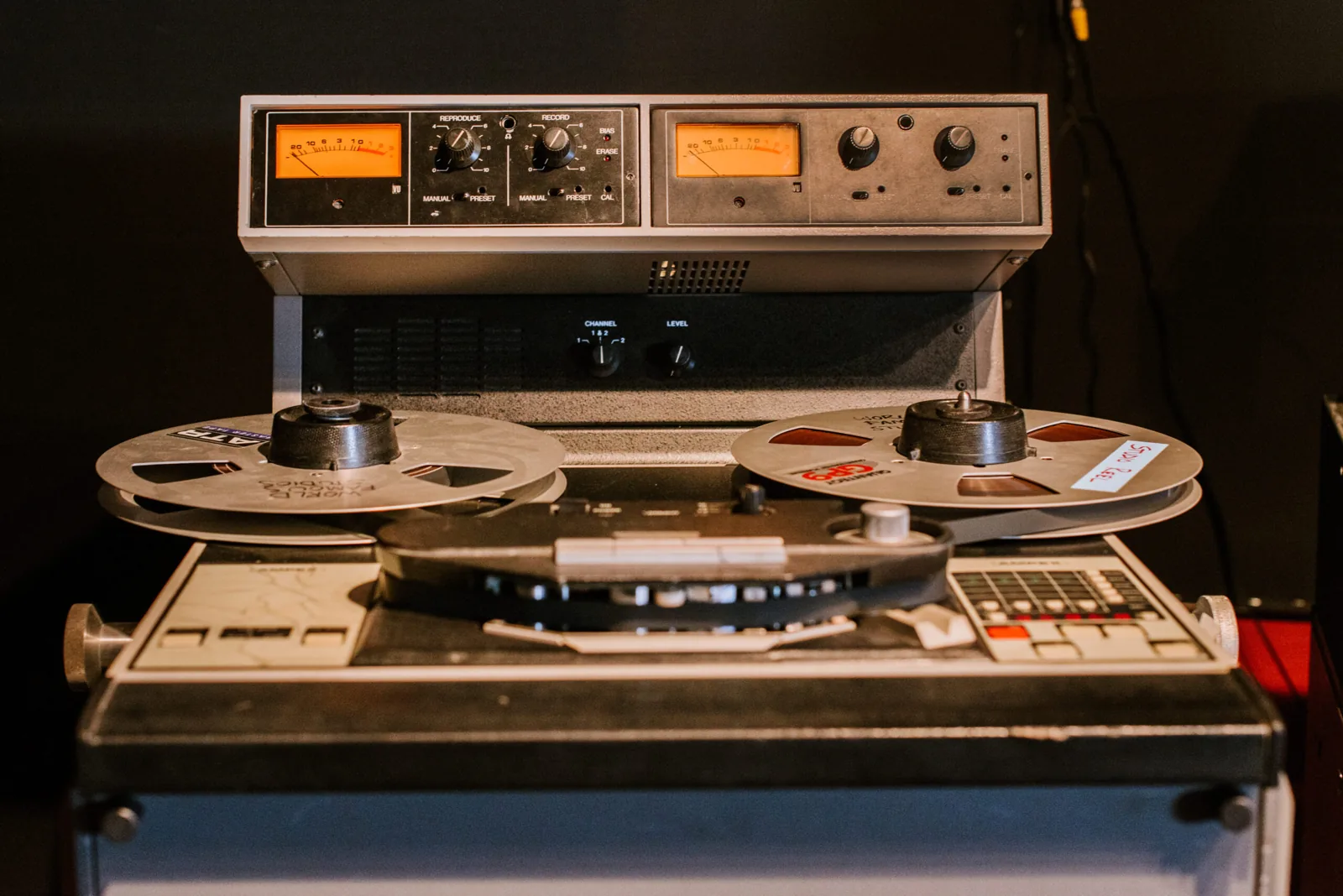
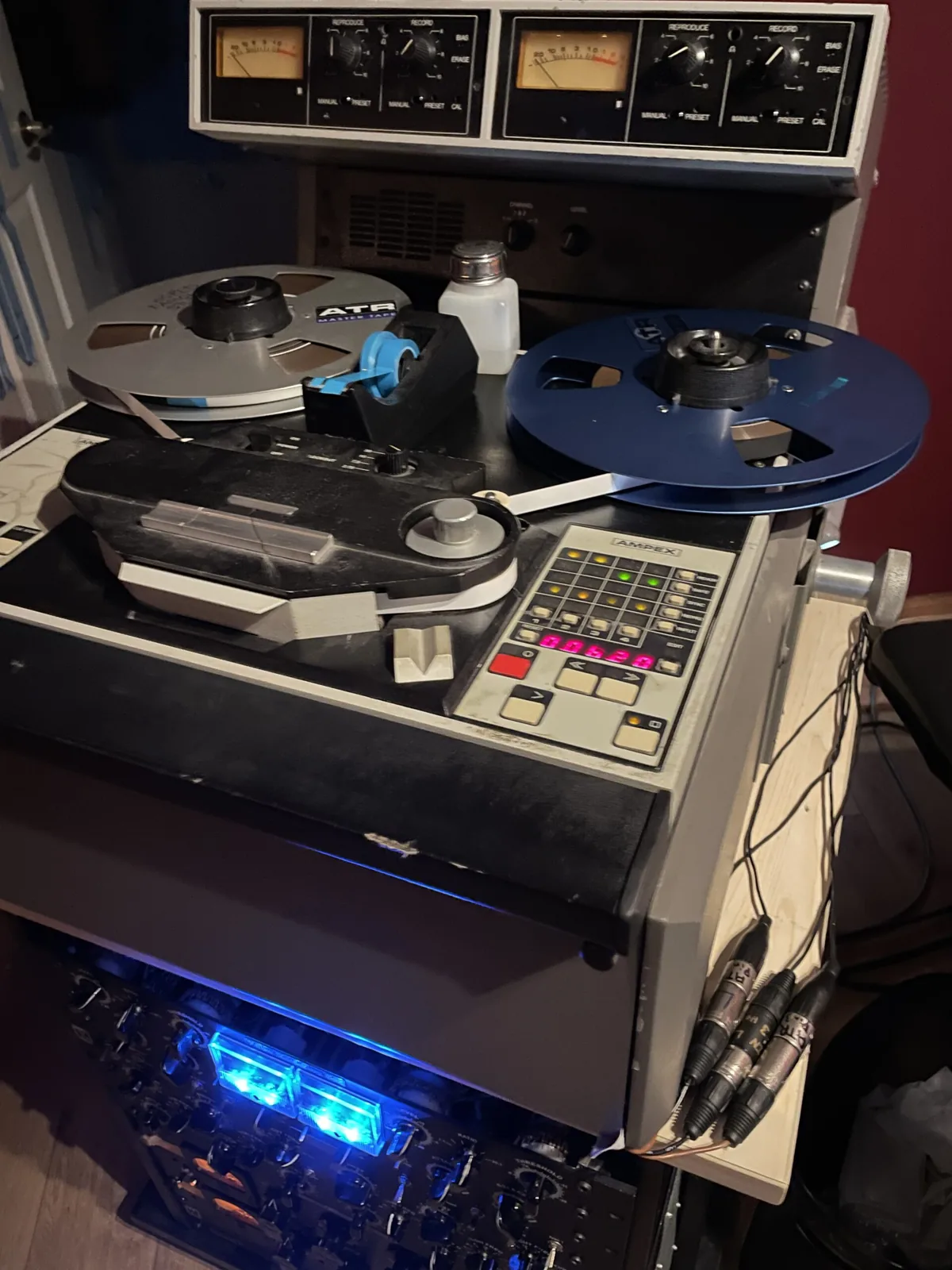
Tracking can start on 24-track tape or in Pro Tools. Pete mixes through the console and analog outboard, with most mixdowns going to half-inch tape. Tape can also be part of mastering when appropriate.
The process is built around the project. It doesn’t require every recording to begin the same way.
A closer look.
The tools and the room.
In the studio
People making records.
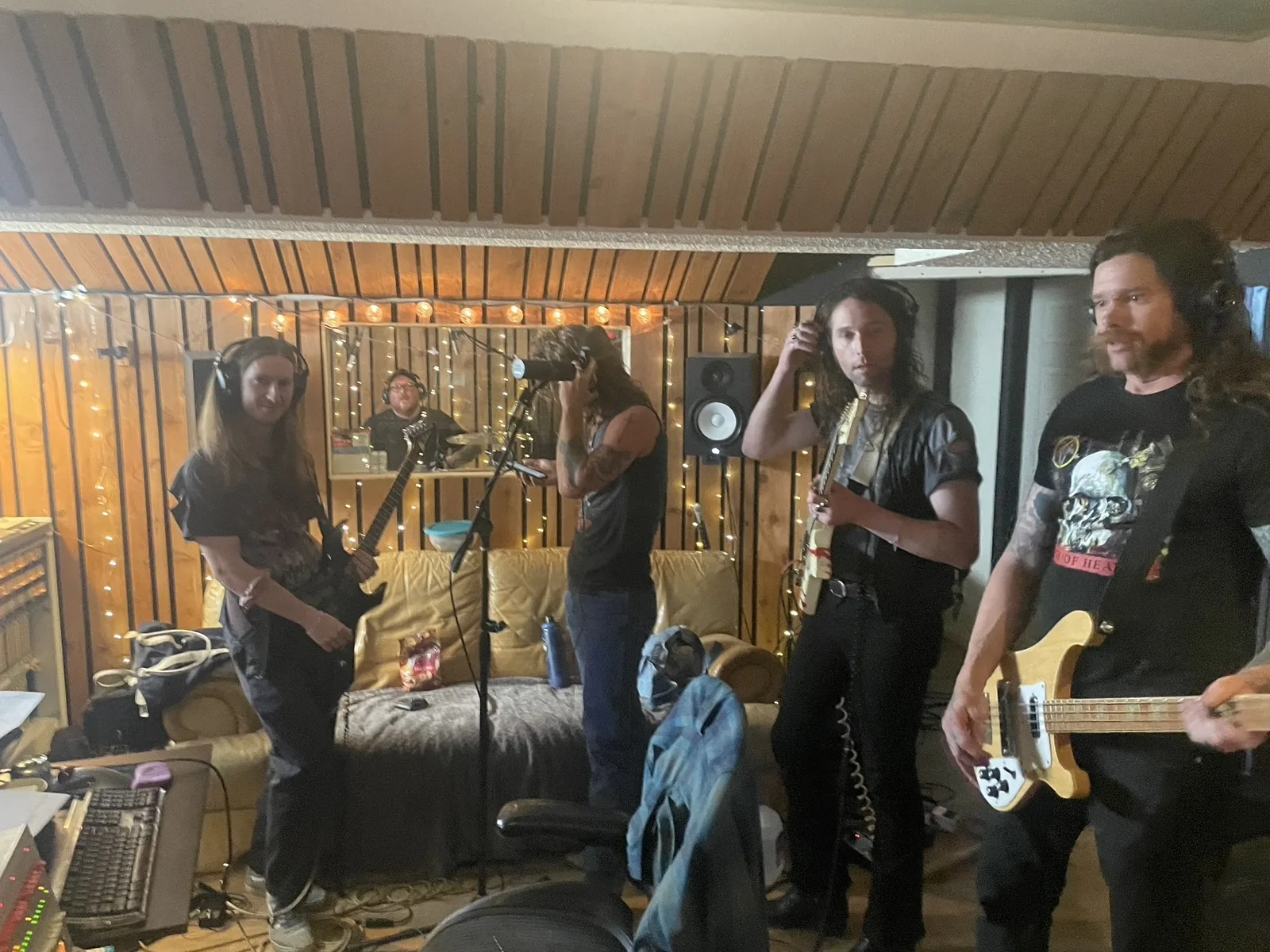
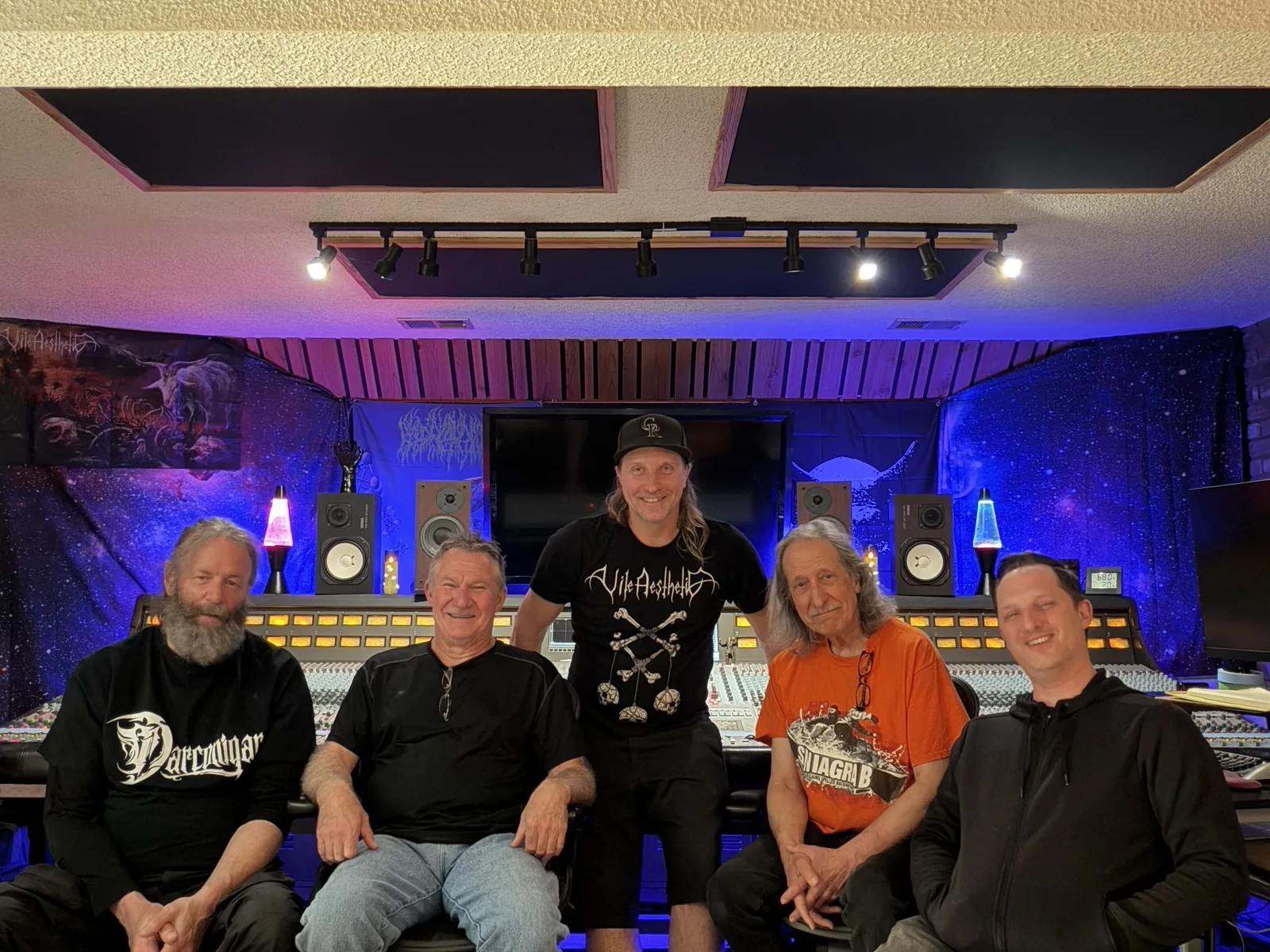
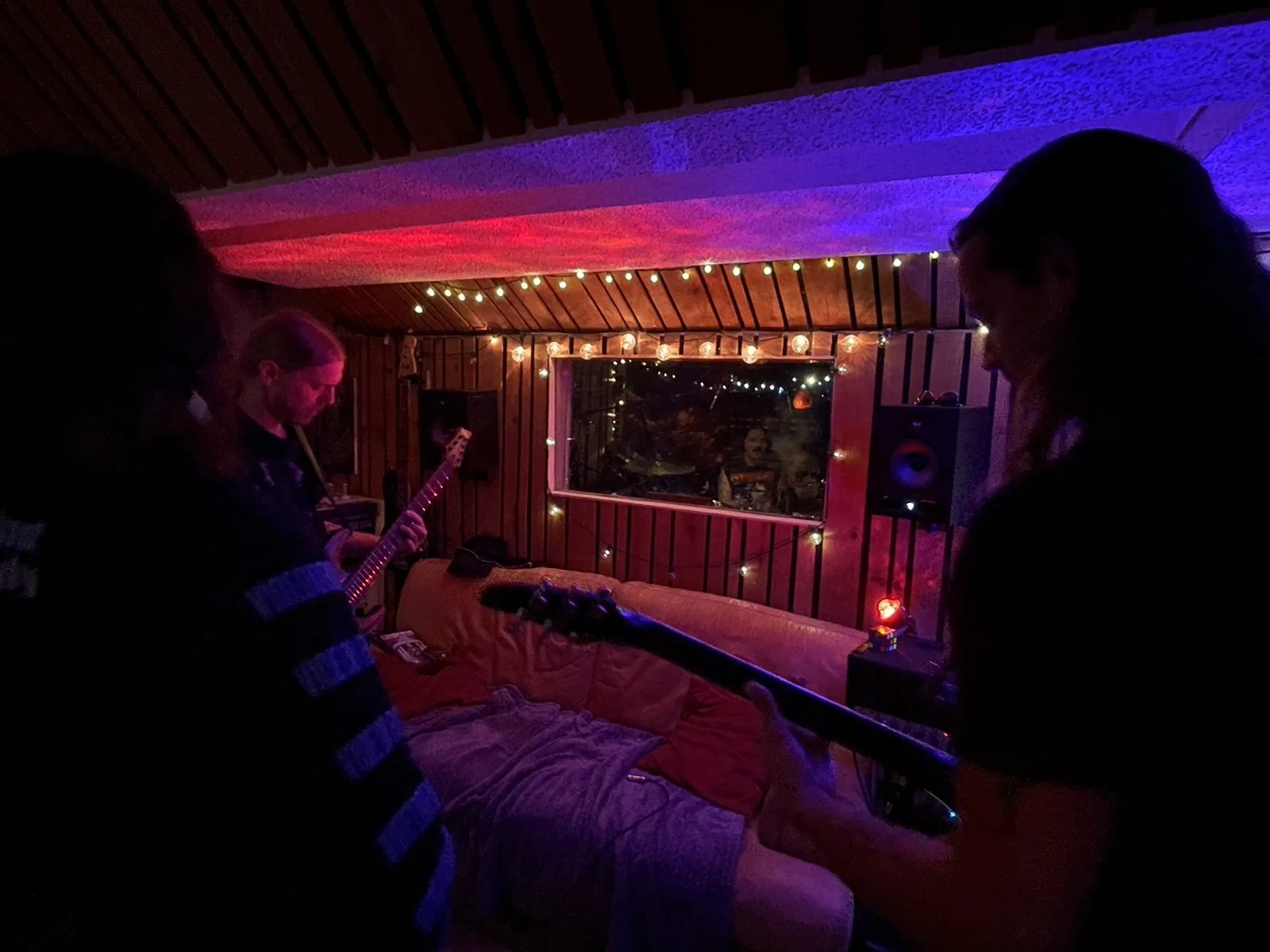
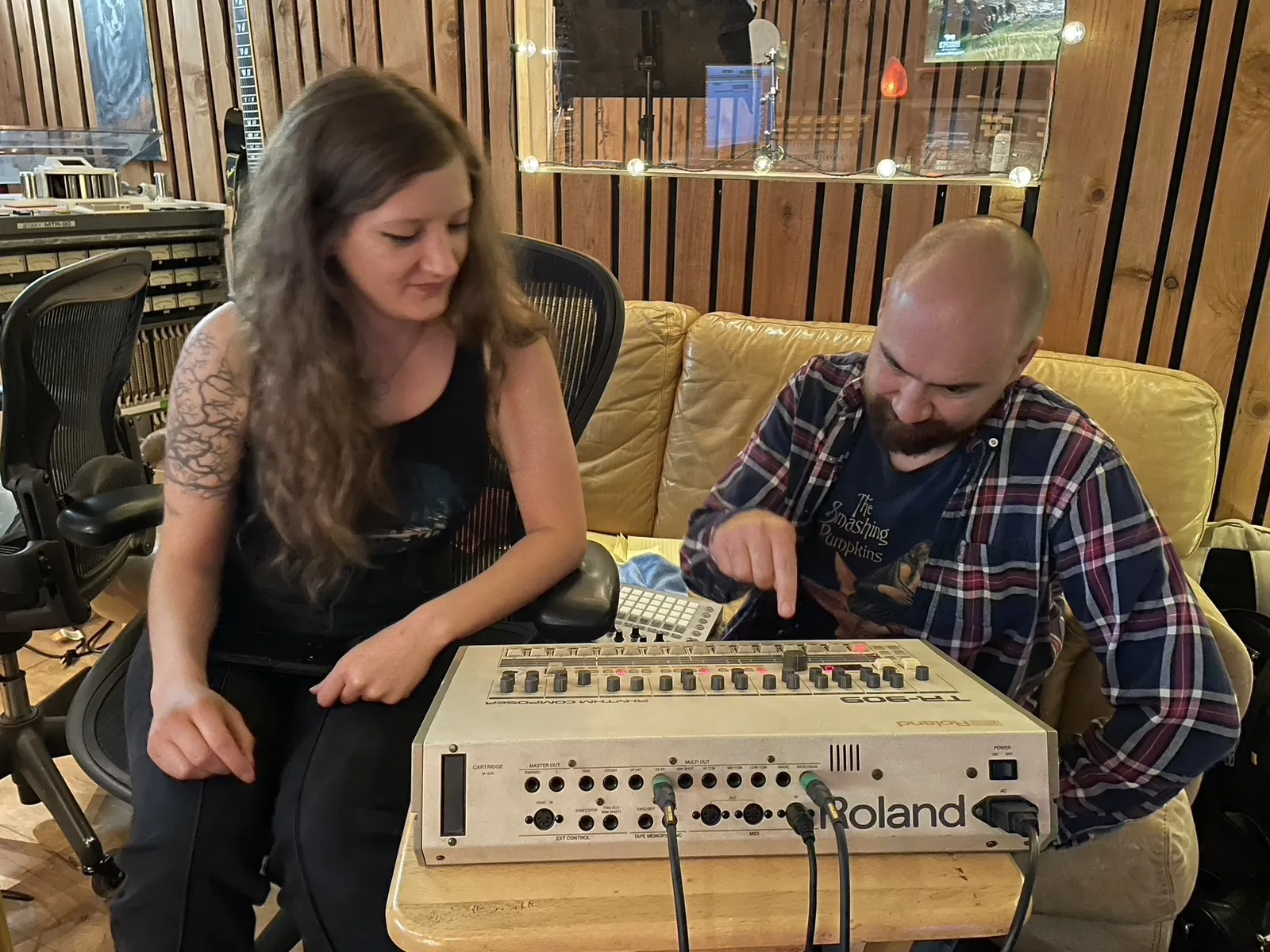
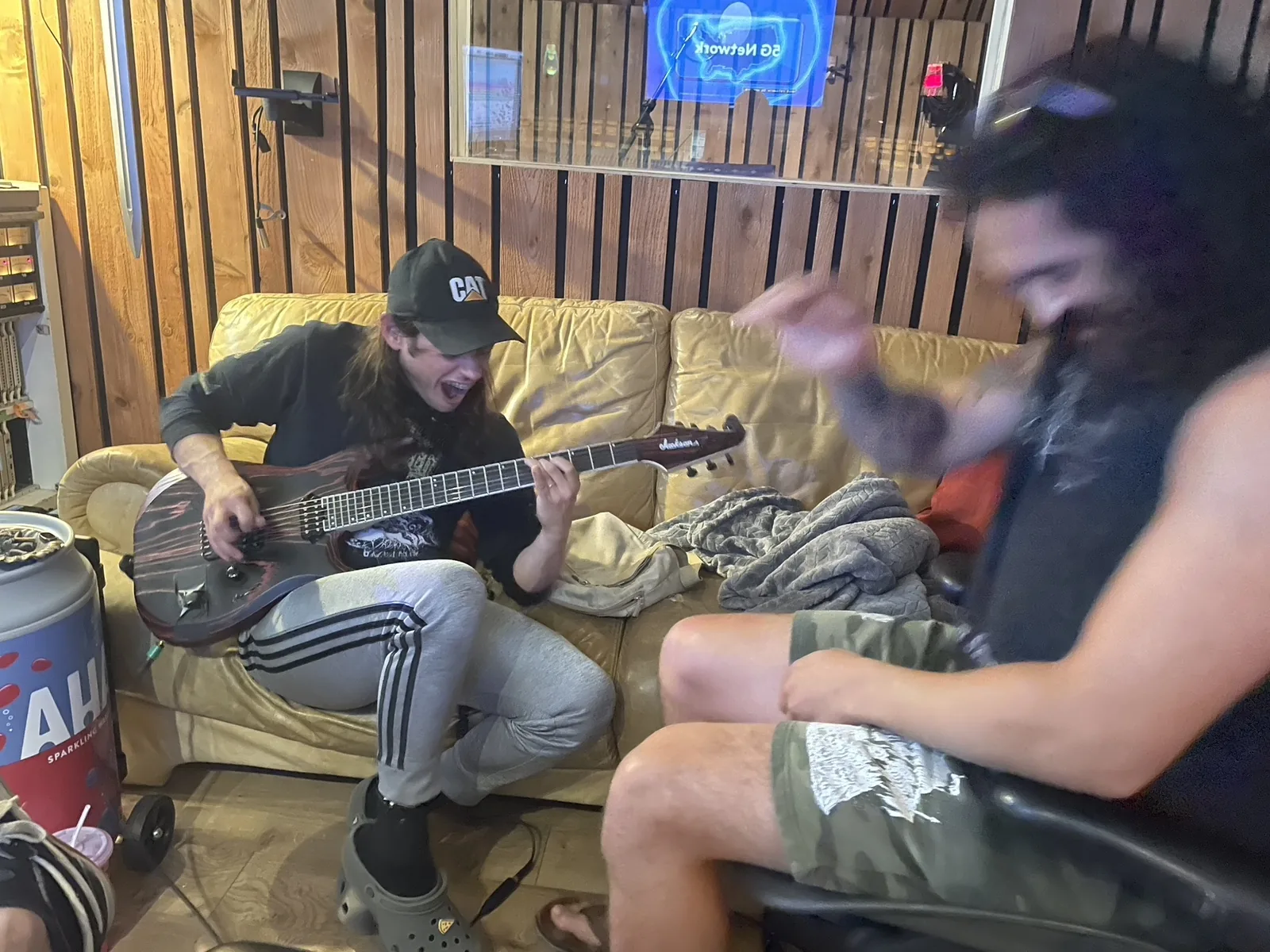
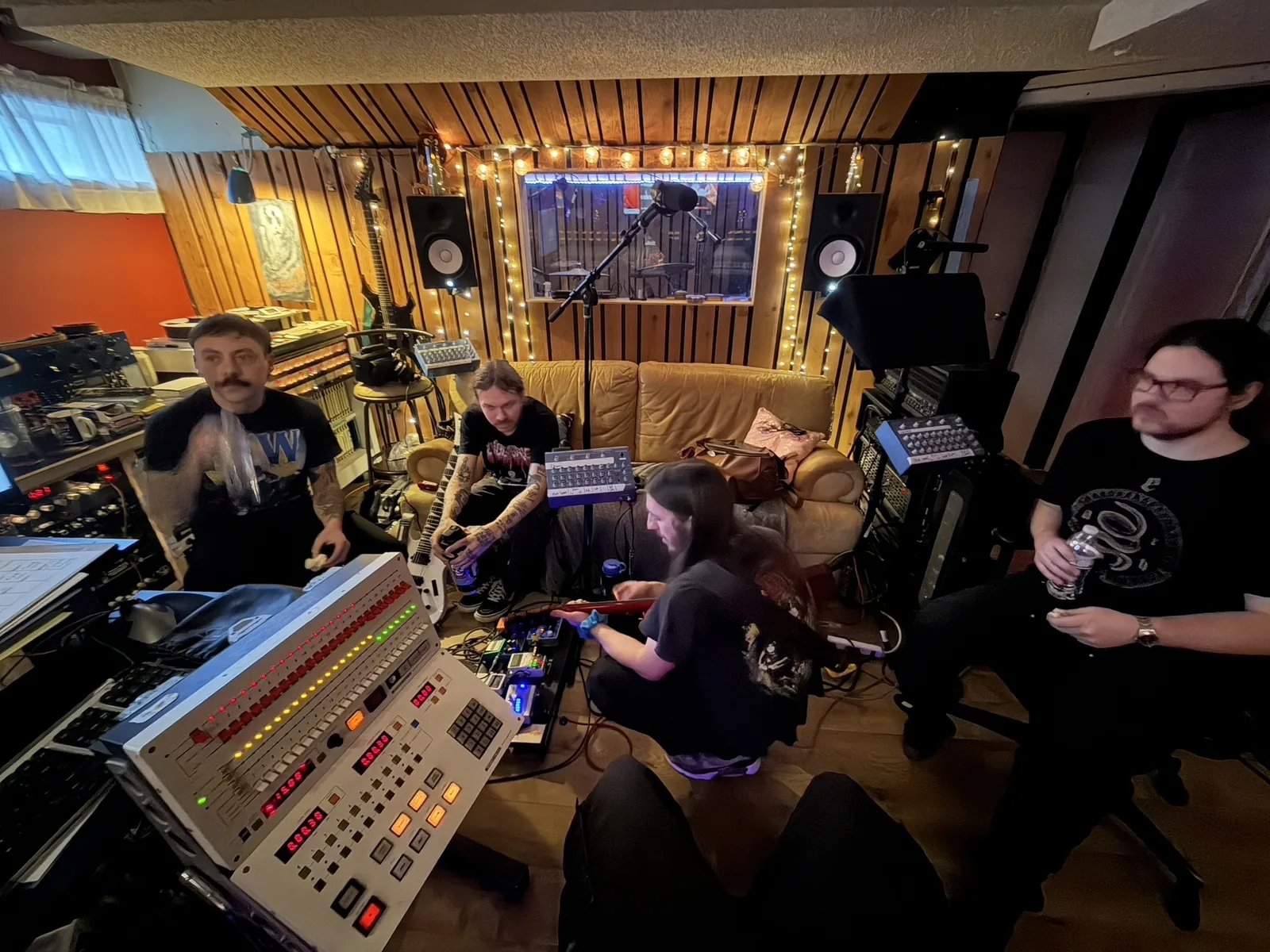
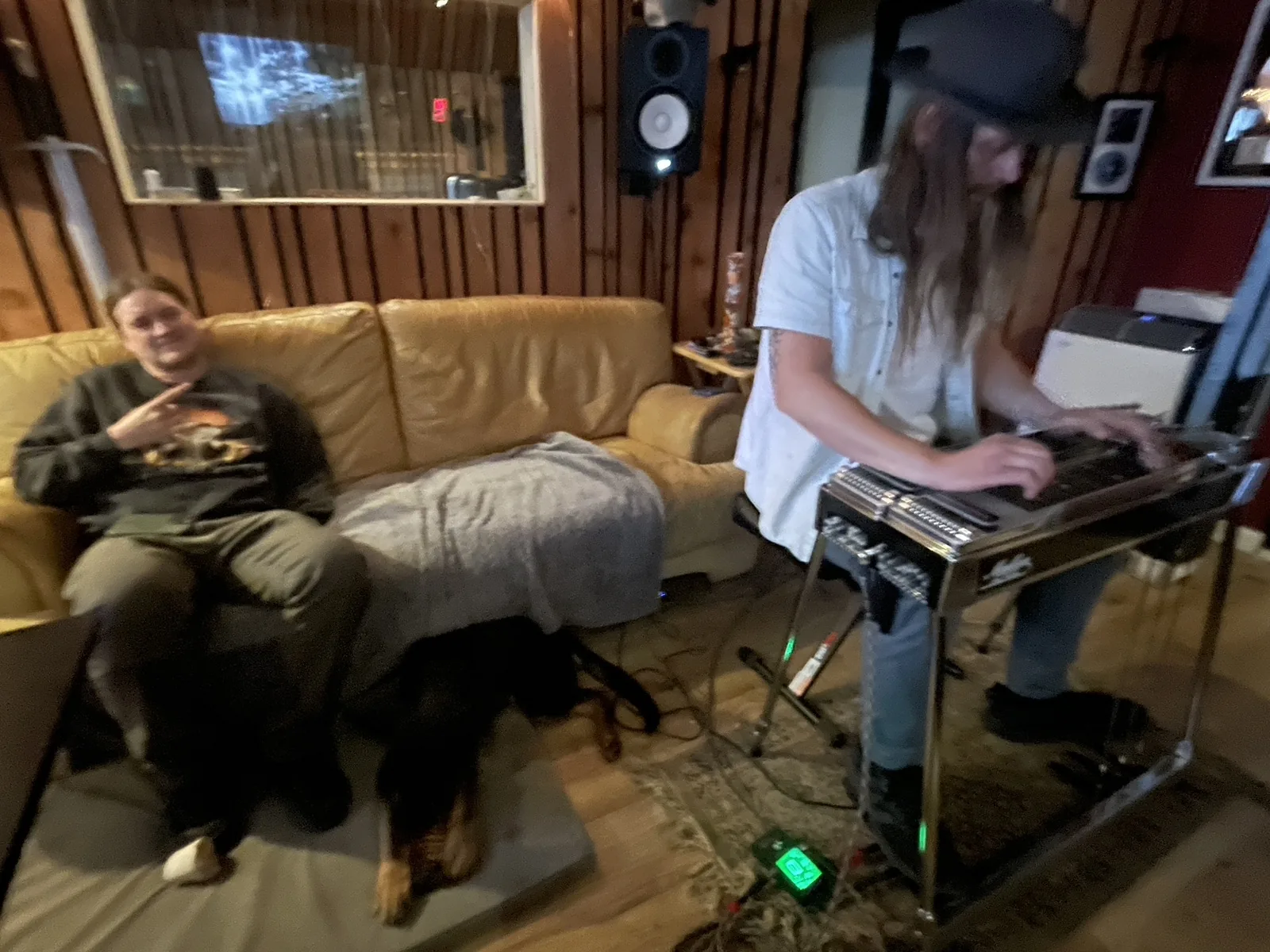
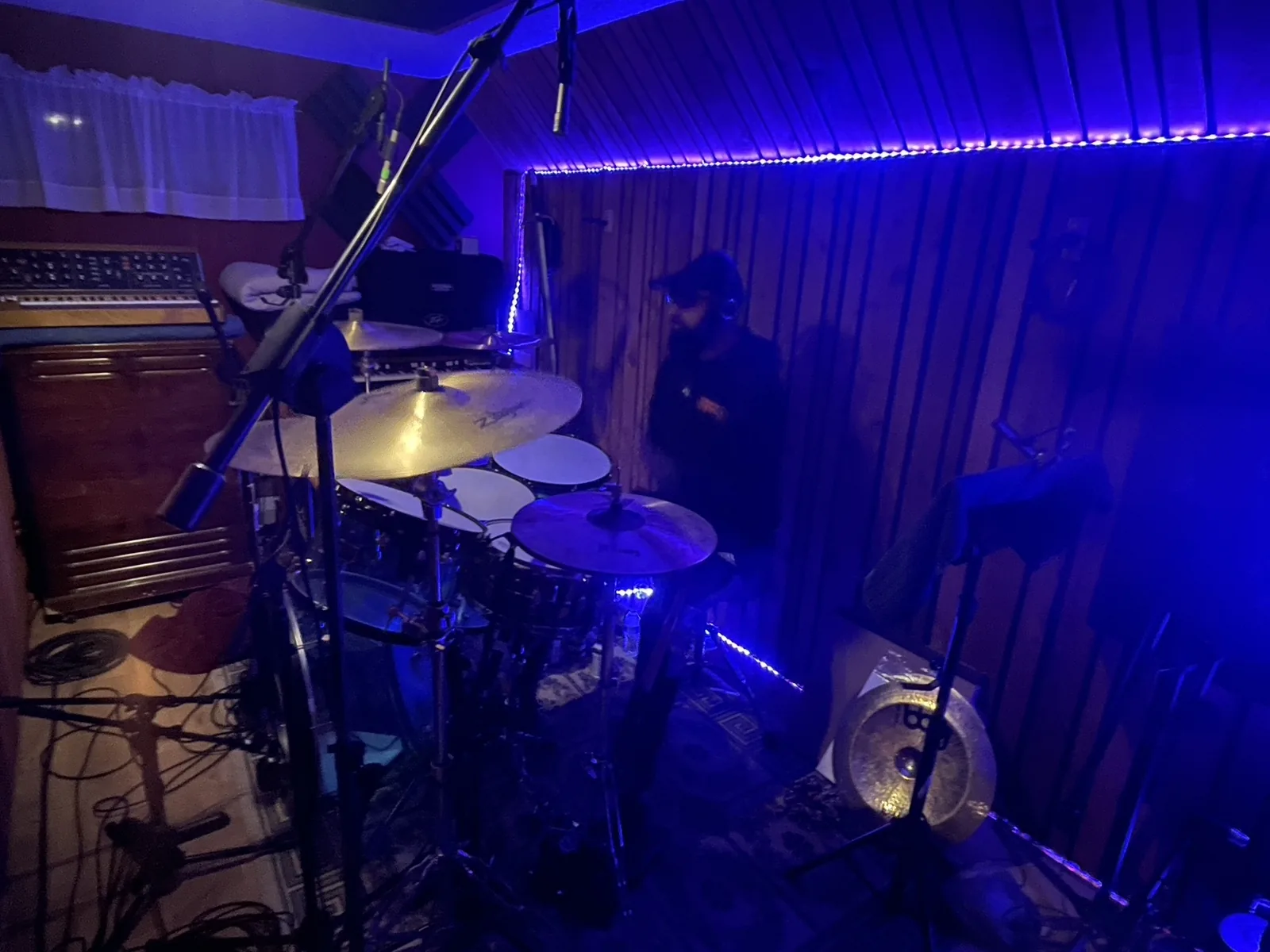
Records take shape here: at the console, in the live room, and between takes.
Equipment
The working tools.
The recording and mixing chain, the microphone collection, and instruments to build a session around. If your project depends on a particular piece, mention it when we plan the sessions.
Console, Pro Tools HD & tape
- AMEK 9098i · 72 channels / 144 inputs · 64 mic preamps · 138 moving faders · Supertrue V4 automation
- Pro Tools HD rig · 48 inputs / 48 outputs
- Ampex ATR-102 · half-inch, two-track tape
- Otari MTR-90 II · two-inch, 24-track tape
Converters, software & synchronization
- Pacific Microsonics HDCD Model 1
- Lynx Hilo
- Apogee Rosetta 200
- Extensive plug-in collection
- Timeline MicroLynx synchronization
Microphones
- Telefunken C12
- Chandler REDD
- Heiserman FET 47
- Microtech Gefell CMV563
- RCA 44
- RED Type A with C12 capsule
- Microtech Gefell M295 × 2
- Dachman U87 × 2
- Telefunken M82 × 2
- Sennheiser 421 × 3, plus 2 blond units
- Shure SM81 × 4
- AKG 451 × 2
- Blue Baby Bottle × 2
- Blue Dragonfly
- Shure SM57 × 7
- Shure SM57 Right Angle
- Shure SM7
- Electro-Voice RE20
- Shure SM58
- Shure Beta 91
- Shure 55S
- AKG D12 E
- Sennheiser e609
- Sennheiser 604 × 3
- RØDE NT1
- Cascade Gomez
Mastering processing
- Hand Crafted Laboratories Griffin — custom valve mastering box built for Joe Gastwirt Mastering
Compression & dynamics
- Manley Variable Mu
- Manley ELOP+
- API 2500
- STAM SA-670
- Empirical Labs EL-8 Distressor
- Inovonics 201
- dbx 160XT, 166
- FMR Audio RNC1773
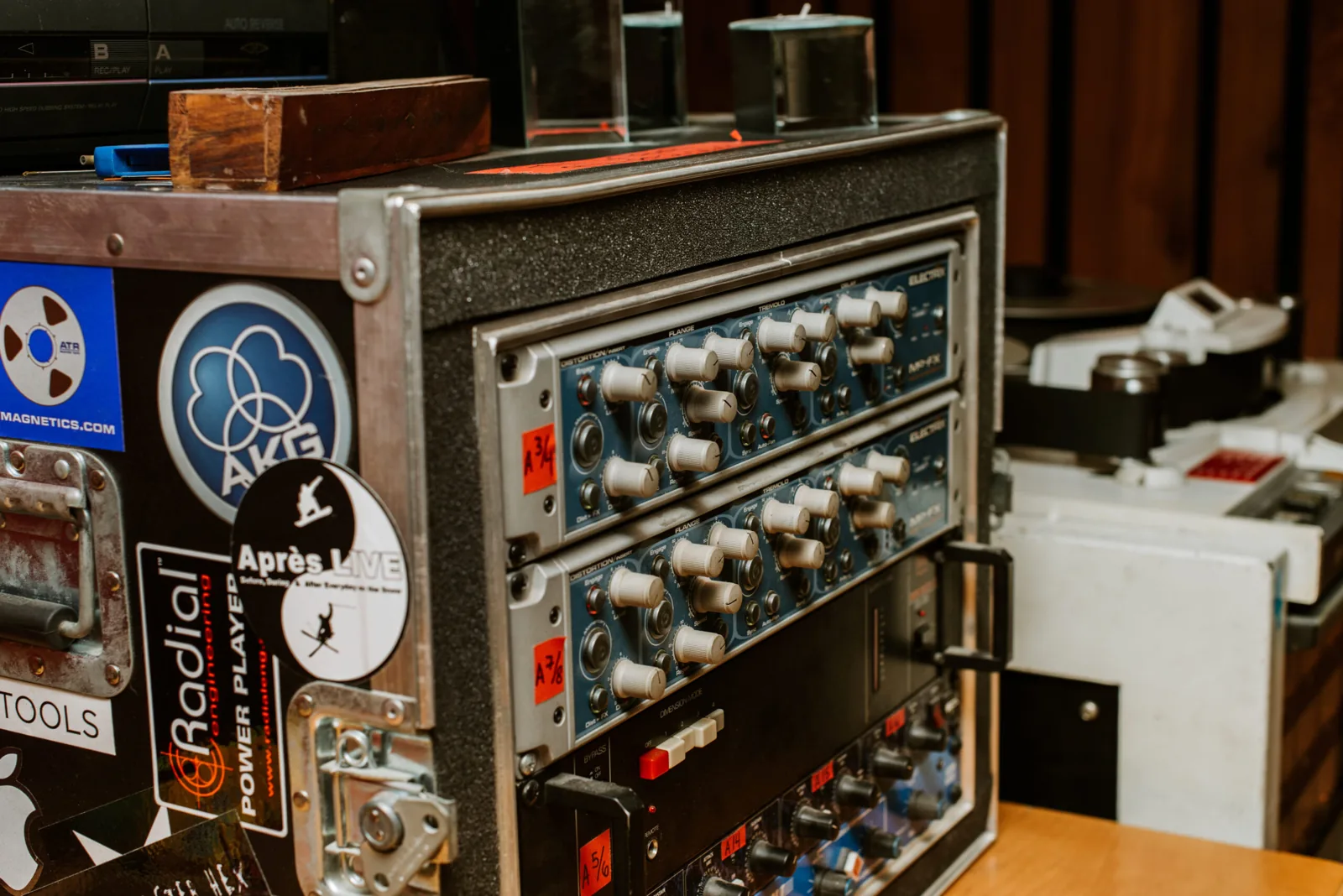
- SPL Transient Designer
- SPL De-Esser
EQ & filters
- API 5500
- API 560 × 2
- Tube-Tech PE-1C
- Neumann W495 STB, W495 B
- Pultec HLF passive filters
- Moog Parametric EQ
- Moog The Ladder filter
Reverb, delay & multi-effects
- TC Electronic M5000
- AMS RMX16
- Lexicon Model 200
- Roland Space Echo
- Lexicon Prime Time, PCM42, PCM41, 1300S
- Moog Analog Delay × 2
- DeltaLab Effectron
Pitch & modulation
- Eventide H910, H949
- Roland Dimension D
- Electrix Warp Factory, MO-FX
- MXR Auto Phaser, Auto Flanger
- dbx 120X
Direct boxes & reamping
- Radial JDI, JDI Stereo
- Radial ProRMP
- Radial EXTC
Monitoring & cue
- ProAc Studio 100
- Yamaha NS-10, HS8
- Bryston 4B amplification
- Beyerdynamic DT 700 PRO X, DT 770, DT 990
- Sennheiser HD280
- Sony MDR-V600
- Audio-Technica ATH-M50x headphones
- Furman HDS-16 / HRM-16 cue system
Piano, organ & synthesizers
- 1954 Mason & Hamlin Model B baby grand piano
- Roland JUPITER-8
- Prophet-5
- Moog One
- Roland JUNO-106
- Moog Minimoog Model D
- Hammond A100 with Leslie 147
- Hohner D6 Clavinet
- Omnichord System Two
- Toy piano
Guitar & bass amplification
- Mesa/Boogie Dual Rectifier
- REVV Generator
- Vox AC15 handwired Top Boost
- Peavey 6505 Plus
- Fender Deluxe, Hot Rod Deluxe
- Marshall Plexi, JMP and 1960 cabinet
- Mesa/Boogie and Avatar 4×12 cabinets with Celestion V30 speakers
- Darkglass Microtubes 900
- Orange OBC410
Drums, cymbals & hardware
- DW Collector’s Series drums — 24″, 15″, 18″
- PDP Concept Maple drums — 22″, 10″, 12″, 16″; 14 × 5″ snare
- Mapex Meridian drums — 22″, 10″, 12″, 14″; 14 × 5″ maple snare
- Ludwig Black Beauty snare — 14 × 6.5″
- Ludwig 36-inch bass drum
- Taos drums × 2
- Bongos
- Assorted tambourines and percussion
- Zildjian A Custom and K Custom Hybrid cymbals
- Sabian HHX cymbal pack
- DW and PDP drum hardware
Guitars & basses
- Guild F-512 twelve-string acoustic
- Guild D40 acoustic guitar
- Fender Precision Bass
- Epiphone Thunderbird bass
Pedals & effects routing
- Fulltone OCD, Germanium OCD, DejaVibe
- Pro Co RAT
- Tech 21 SansAmp
- MXR Carbon Copy, Script Distortion+, Phase 90, Micro Amp
- Visual Sound V3 Dual Tap Delay
- EarthQuaker Devices Palisades
- Boss DS-1, Metal Zone
- Peterson StroboStomp
A place to work
Denver base.
Room for the right plan.
WFS is a compact private studio in Lakewood, in the Denver area. We work with artists across Denver, Boulder and the Front Range, as well as artists traveling in or collaborating remotely.
For larger ensembles or sessions needing a different room, Pete can work at an appropriate outside facility. We’ll talk through the musicians, instruments and isolation the project needs.
Your next record